top of page
Search

If you’ve ever stared at a landscape painting and thought, “Wow, that looks like a window to another world,” then you know the magic of realistic landscapes. I’m here to share some of my favorite tips and tricks for creating those lifelike scenes with oil paint. Spoiler alert: it’s not just about slapping some green and blue on canvas and hoping for the best. There’s a bit of science, a dash of patience, and a sprinkle of fun involved.


Getting Started: The Basics of Realistic Landscape Painting Tips


Before you dive headfirst into your oil paints, let’s talk about the foundation. Realistic landscapes aren’t just about copying what you see. It’s about understanding light, color, and composition. Here’s what I focus on:


  • Observation is key: Spend time outside or look at photos. Notice how light hits the trees, how shadows fall, and how colors shift with distance.

  • Sketch it out: A quick pencil sketch helps map your scene. Don’t worry about perfection here; it’s your roadmap.

  • Choose your palette wisely: Earth tones, blues, greens, and a few warm colors for highlights. Mixing your own colors is half the fun.

  • Layering matters: Oil paint loves layers. Start with thin washes and build up to thicker, more textured strokes.


I remember my first landscape attempt. It looked more like a toddler’s finger painting than a serene meadow. But hey, every masterpiece starts somewhere, right?


Eye-level view of a serene mountain landscape painting in progress
Starting a mountain landscape with oil paints

Mastering Light and Shadow for Depth


If your landscape looks flat, it’s probably missing good light and shadow play. Realistic landscapes pop because they have depth, and depth comes from contrast.


  • Identify your light source: Is the sun rising from the left? Shadows should fall accordingly.

  • Use warm colors for light: Think yellows, oranges, and light greens.

  • Cool colors for shadows: Blues, purples, and dark greens work wonders.

  • Soft edges for distant objects: Things far away aren’t as sharp. Use softer brush strokes to mimic this.

  • Hard edges for foreground: Details up close should be crisp and clear.


One trick I swear by is squinting at the scene or photo. It simplifies the shapes and values, making it easier to paint the big picture without getting lost in tiny details.


Choosing the Right Brushes and Tools


I used to think any brush would do. Spoiler: it doesn’t. The right tools can make or break your painting.


  • Flat brushes: Great for broad strokes and skies.

  • Round brushes: Perfect for details like tree branches or rocks.

  • Fan brushes: Ideal for foliage and texture.

  • Palette knives: For adding texture and bold strokes.


Don’t be shy about experimenting. Sometimes, a palette knife can add that unexpected texture that brings your landscape to life.


Close-up view of various oil painting brushes and palette knives on a wooden table
Essential brushes and tools for oil landscape painting

Layering and Blending: The Secret Sauce


Here’s where patience pays off. Oil paints dry slowly, which is a blessing and a curse. It lets you blend colors smoothly but also means you need to wait between layers.


  • Start with an underpainting: Use a monochrome color to sketch out values.

  • Build mid-tones and highlights: Add color gradually.

  • Wet-on-wet blending: Blend colors directly on the canvas for smooth transitions.

  • Glazing: Thin layers of transparent paint add richness and depth.

  • Dry brushing: Use a dry brush to add texture and highlights.


I once got impatient and skipped drying times. The result? A muddy mess. Lesson learned: slow and steady wins the race.


Adding Details Without Overdoing It


Details are the cherry on top, but too many can overwhelm your painting. Here’s how I keep it balanced:


  • Focus on focal points: Maybe a lone tree or a sparkling river.

  • Use smaller brushes for details: Tiny leaves, rocks, or reflections.

  • Less is more: Suggest details rather than painting every blade of grass.

  • Step back often: Viewing your work from a distance helps spot areas that need tweaking.


Remember, your painting doesn’t have to be a photograph. It just needs to feel real.


I stumbled upon some fantastic resources that really helped me refine my approach. The oil painting techniques for landscapes shared by Ayal Armon are practical and inspiring. They cover everything from brushwork to color mixing, and the best part? They’re easy to follow, even if you’re a bit of a klutz like me.


Bringing Your Landscape to Life with Color Theory


Color can make or break your landscape. Here’s a quick rundown of what I keep in mind:


  • Use complementary colors: They create vibrant contrasts (think blue and orange).

  • Atmospheric perspective: Colors get lighter and bluer as they recede.

  • Warm colors advance, cool colors recede: This helps create depth.

  • Avoid pure black: Mix darks with blues, greens, or browns for a natural look.


Playing with color is like a mini science experiment. Sometimes it works, sometimes it’s a disaster, but it’s always fun.


Final Touches: Making Your Painting Pop


You’re almost there! These last steps add that extra sparkle:


  • Add highlights: Use a small brush and bright colors sparingly.

  • Refine edges: Sharpen some areas, soften others.

  • Texture: Use palette knives or thick paint for tactile interest.

  • Varnish: Protect your masterpiece with a clear varnish once it’s dry.


I like to call this the “wow” phase. It’s where your painting stops looking like a practice piece and starts feeling like art.


Your Next Step in Landscape Painting


Creating realistic landscapes with oil paint is a journey. It’s messy, sometimes frustrating, but incredibly rewarding. Whether you’re aiming to impress art collectors, add a unique piece to your home, or find that perfect gift, these tips will help you get there.


So grab your brushes, mix those colors, and don’t be afraid to make a few mistakes. After all, every stroke brings you closer to your own little window to another world.


Happy painting!


If you’ve ever stared at a canvas and thought, “How on earth do artists make oil paintings look so alive?” you’re not alone. I’ve been there, paintbrush in hand, wondering if my masterpiece would ever escape the realm of “meh.” But after some trial, error, and a few paint-splattered shirts, I’ve picked up some advanced oil painting skills that really bring a canvas to life. Today, I’m sharing those with you—no fancy jargon, just real talk and practical tips.


Unlocking Advanced Oil Painting Skills: The Basics You Need to Know


Before we dive into the deep end, let’s get a quick refresher on what makes oil painting special. Oil paints dry slowly, which means you have time to blend, layer, and fix mistakes. But that slow drying time can also be a curse if you don’t know how to manage it. Here’s what I’ve learned:


  • Layering is your best friend. Start with thin layers and build up to thicker ones. This technique, called fat over lean, keeps your painting from cracking.

  • Use mediums wisely. Linseed oil, stand oil, and turpentine can change the paint’s texture and drying time. I like to mix a little linseed oil for smooth blending but keep turpentine handy to thin out paint when needed.

  • Brush choice matters. Stiff bristle brushes are great for texture, while soft sable brushes help with smooth blending.


These basics set the stage for more advanced techniques. Trust me, mastering these will save you from a lot of frustration.


Close-up view of a palette with mixed oil paints and brushes
Palette with mixed oil paints and brushes ready for painting

Playing with Texture: Impasto and Beyond


One of the coolest things about oil painting is texture. You can literally feel the painting. Impasto is a technique where you apply paint thickly so it stands out from the canvas. It’s like giving your painting a 3D effect.


Here’s how I approach impasto:


  1. Choose the right paint. Use paint straight from the tube or mix with a thickening medium.

  2. Load your brush or palette knife generously. Don’t be shy—this is where you get to be bold.

  3. Apply with confidence. Press the paint onto the canvas and let it pile up. You can create peaks, swirls, or even scratches for added interest.


Impasto works wonders for things like flower petals, rough tree bark, or even the glint of sunlight on water. It adds drama and invites viewers to get up close and personal with your work.


If you want to soften things up, try glazing. This is where you apply thin, transparent layers of paint over dry layers. It’s like putting a tinted window over your painting, changing the mood without losing detail.


Eye-level view of a canvas showing thick impasto oil paint strokes
Canvas with thick impasto oil paint strokes creating texture

The Magic of Underpainting and Scumbling


Underpainting is like the skeleton of your painting. It’s a monochrome sketch that sets the tone and values before you add color. I usually use burnt sienna or ultramarine blue for this step. It helps me see where the shadows and highlights will go.


Once the underpainting is dry, I move on to scumbling. This is a technique where you drag a dry, lighter layer of paint over a darker one, letting bits of the underpainting peek through. It’s perfect for creating atmospheric effects like mist, clouds, or worn surfaces.


Here’s a quick tip: use a stiff brush and very little paint for scumbling. It’s all about subtlety. You want to suggest texture, not cover everything up.


Both underpainting and scumbling add depth and complexity to your work. They’re like the secret sauce that makes your painting pop.


Why I Love Using Palette Knives (And You Should Too)


If you think palette knives are just for mixing paint, think again. These handy tools can create sharp edges, bold textures, and unexpected effects that brushes just can’t match.


I use palette knives to:


  • Scrape off mistakes (because yes, I make plenty).

  • Apply thick layers of paint quickly.

  • Create clean lines or rough textures depending on the knife’s edge.


The best part? Palette knives are forgiving. You can scrape, smear, and layer without worrying about ruining your brushes. Plus, they add a bit of fun to the process—like finger painting for grown-ups.


Try experimenting with different shapes and sizes. You might find your new favorite tool.


Bringing It All Together: My Go-To Workflow for Advanced Oil Painting


After fumbling around with different techniques, I developed a workflow that helps me stay organized and creative. Here’s what I do:


  1. Start with a solid underpainting. It’s my roadmap.

  2. Block in colors with thin layers. This helps me avoid muddy colors.

  3. Add texture with impasto or palette knives. This is where the painting starts to sing.

  4. Use glazing and scumbling for depth. These layers add atmosphere and mood.

  5. Finish with details and highlights. The little touches that make a big difference.


Remember, patience is key. Oil painting is a slow dance, not a sprint. Let each layer dry enough to handle without smudging, but don’t wait so long that you lose momentum.


If you want to explore more about oil painting techniques, Ayal Armon’s site is a treasure trove of inspiration and tips.


Why These Skills Matter for Collectors and Designers


You might wonder why all this talk about texture and layering matters if you’re looking for art to decorate a space or add to a collection. Here’s the thing: paintings with advanced techniques have a presence. They catch the light differently, invite touch (even if you don’t actually touch), and tell a story beyond the image.


For interior designers, these paintings can be the focal point of a room, adding warmth and personality. For collectors, they’re investments in craftsmanship and creativity. And for gift seekers, they’re unique treasures that stand out from mass-produced prints.


So, mastering these skills isn’t just about making art—it’s about creating pieces that resonate and endure.


Ready to Dive In? Grab Your Brushes and Have Fun!


If you’ve stuck with me this far, you’re probably itching to try some of these advanced oil painting skills yourself. My best advice? Don’t stress about perfection. Embrace the mess, the mistakes, and the happy accidents. That’s where the magic happens.


And if you ever feel stuck, remember that every artist’s journey is full of trial and error. Keep experimenting, keep learning, and most importantly, keep painting.


Happy creating!


If you want to see some stunning examples of these techniques in action, check out Ayal Armon’s gallery. Her work beautifully showcases how advanced oil painting skills can transform a canvas into a living story.


I have to admit, diving into the world of oil painting landscapes was a bit like trying to tame a wild horse. At first, I was all thumbs and smudges, but with some patience and a few spills of paint on my favorite shirt, I started to get the hang of it. If you’re like me and want to bring your landscapes to life with oil paints, you’re in the right place. Let’s chat about some practical, down-to-earth tips that will help you enhance your landscape paintings with oil.


Why Oil Paints Are a Game-Changer for Landscapes


Oil paints have this magical quality that other mediums just can’t match. They dry slowly, which means you get plenty of time to blend colors and create those dreamy skies or misty mountains. Plus, the richness and depth of oil colors are unbeatable. You can layer and glaze to build texture and light in ways that make your landscapes pop off the canvas.


Here’s a quick tip: don’t rush the drying process. I’ve learned the hard way that trying to paint over wet oil paint can turn your masterpiece into a muddy mess. Patience is your best friend here.


Eye-level view of a vibrant oil landscape painting with mountains and a river
Oil landscape painting with mountains and river

Landscape Oil Painting Tips That Actually Work


Alright, let’s get into the nitty-gritty. Here are some landscape oil painting tips that I swear by:


  • Start with a solid sketch: Before you even touch the paint, sketch your composition lightly on the canvas. It saves you from those awkward “oops” moments later.

  • Use a limited palette: Pick a few colors and mix them to create harmony. I usually stick to earth tones and a couple of blues and greens.

  • Layer your paint: Begin with thin layers and gradually build up thicker ones. This technique adds depth and texture.

  • Play with light and shadow: Landscapes are all about light. Observe how it hits trees, water, and hills, and try to capture that contrast.

  • Keep your brushes clean: I know, it’s a pain, but dirty brushes can muddy your colors fast.


If you want to dive deeper, check out this fantastic resource on oil painting techniques for landscapes. It’s packed with tips that helped me level up my game.


Tools and Materials That Make a Difference


You don’t need a fancy studio to create stunning oil landscapes. But having the right tools does help. Here’s what I recommend:


  • Quality brushes: Invest in a few good brushes in different shapes - flats, rounds, and filberts. They each serve a purpose.

  • Palette knives: Great for mixing paint and adding texture.

  • Canvas or linen: Linen is pricier but holds oil paint beautifully.

  • Mediums: Linseed oil, turpentine, or odorless mineral spirits help with paint consistency and drying times.

  • Easel: Keeps your work at a comfortable angle.


I once tried painting on cardboard (don’t ask), and let’s just say it didn’t end well. Stick to proper surfaces for the best results.


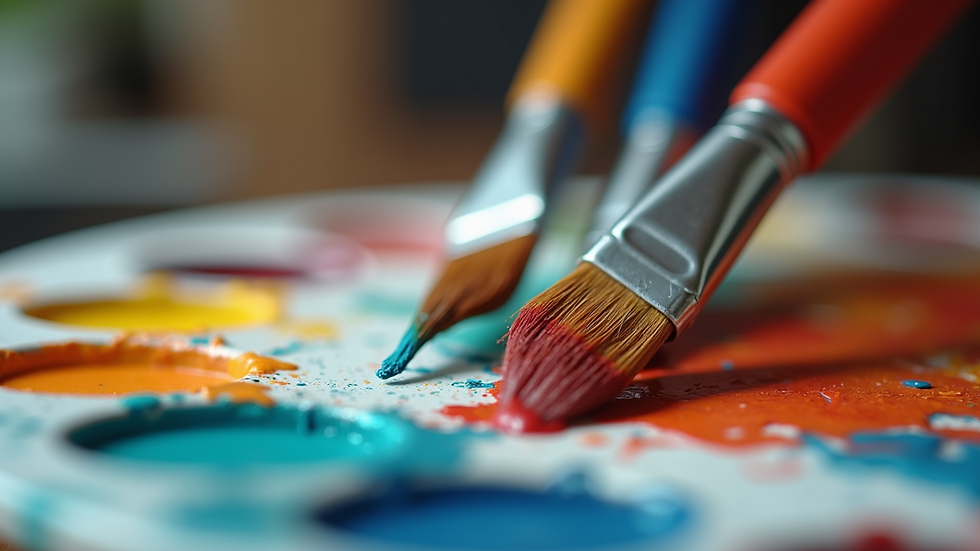
Close-up view of oil painting brushes and palette with mixed colors
Oil painting brushes and palette with mixed colors

How to Capture Nature’s Mood and Atmosphere


One of the trickiest parts of landscape painting is capturing the mood. Is it a bright, sunny day or a foggy morning? Here’s how I approach it:


  • Observe your scene carefully: Spend time outside or look at photos. Notice the colors, the light, and the feeling it gives you.

  • Use color temperature: Warm colors (reds, yellows) can make a scene feel cozy or hot. Cool colors (blues, greens) create calm or sadness.

  • Experiment with brushwork: Soft, smooth strokes can suggest calm water or sky. Rough, jagged strokes add drama to rocks or trees.

  • Don’t be afraid to exaggerate: Sometimes pushing colors or contrasts a bit makes your painting more expressive.


Remember, your painting doesn’t have to be a photo. It’s your interpretation, your story.


Adding Your Unique Touch to Landscape Oil Paintings


Here’s where the fun really begins. After you’ve got the basics down, it’s time to add your personal flair. Maybe you like bold colors, or maybe you prefer subtle, muted tones. Maybe you want to add a whimsical element like a tiny cottage or a winding path.


Try these ideas:


  • Mix in unexpected colors: A splash of purple in the shadows or a hint of orange in the grass can make your painting stand out.

  • Play with composition: Don’t always center your subject. Off-center elements create interest.

  • Texture is your friend: Use palette knives or thick paint to add dimension.

  • Incorporate other materials: Some artists add sand or fabric for texture.


Your style is what will attract collectors and art lovers who appreciate something unique. Don’t be shy about showing it off.


Keep Practicing and Enjoy the Journey


If you’re anything like me, you’ll find that oil painting landscapes is a journey full of surprises. Some days your painting will look like a masterpiece, other days it might look like a toddler’s doodle. And that’s okay! Every stroke teaches you something new.


So grab your brushes, don’t stress the small stuff, and most importantly, have fun. Your next favorite landscape oil painting is just a few brushstrokes away.


If you want to see more of my work or learn about my artistic journey, feel free to explore my collection of oil paintings, ceramic pieces, and doll fashion designs. Sharing my art with you is what keeps me inspired.


Happy painting!


© 2023 by Artist Corner. Proudly created with Wix.com

bottom of page